Layout and collections
The visitor route
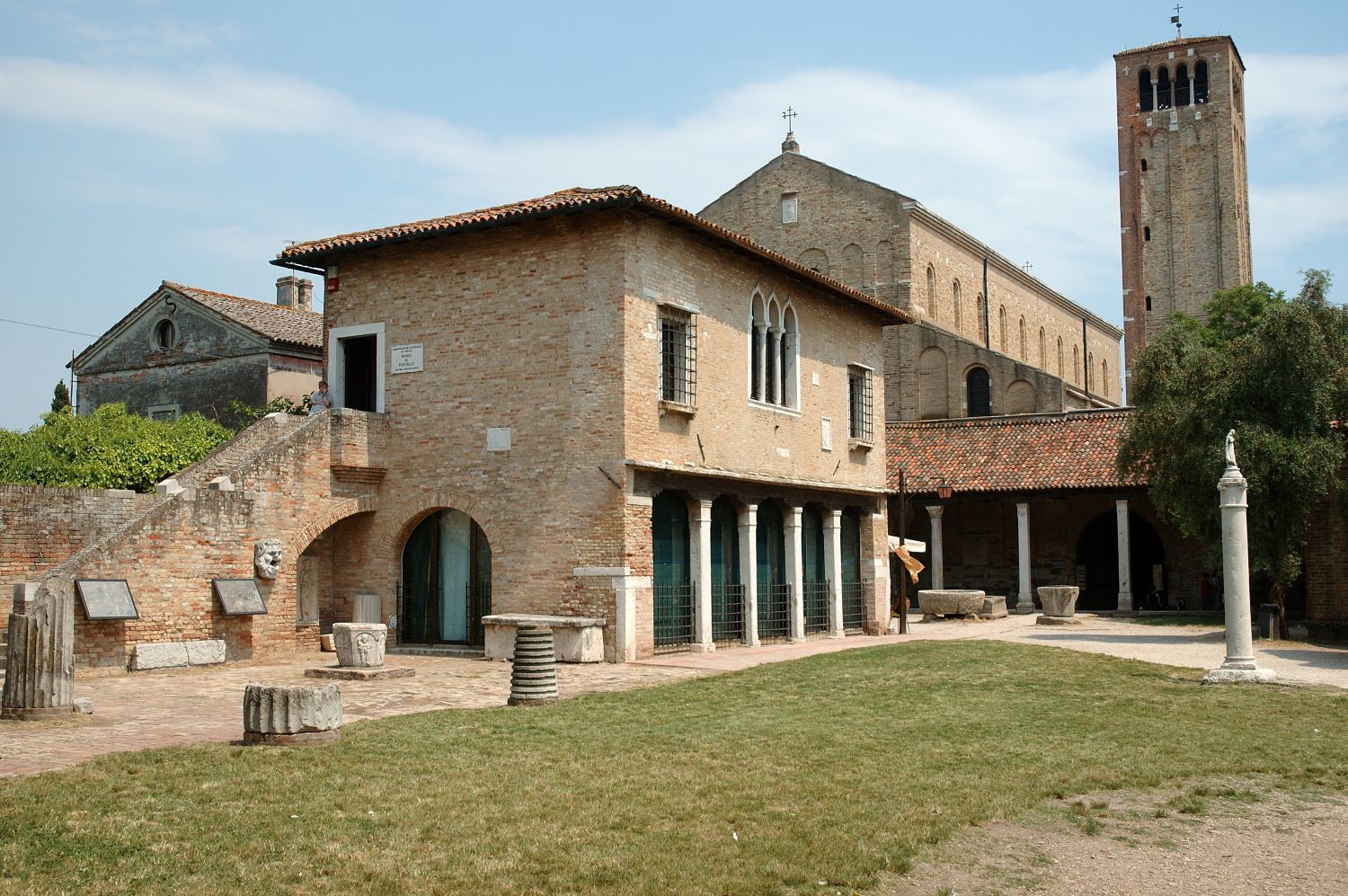
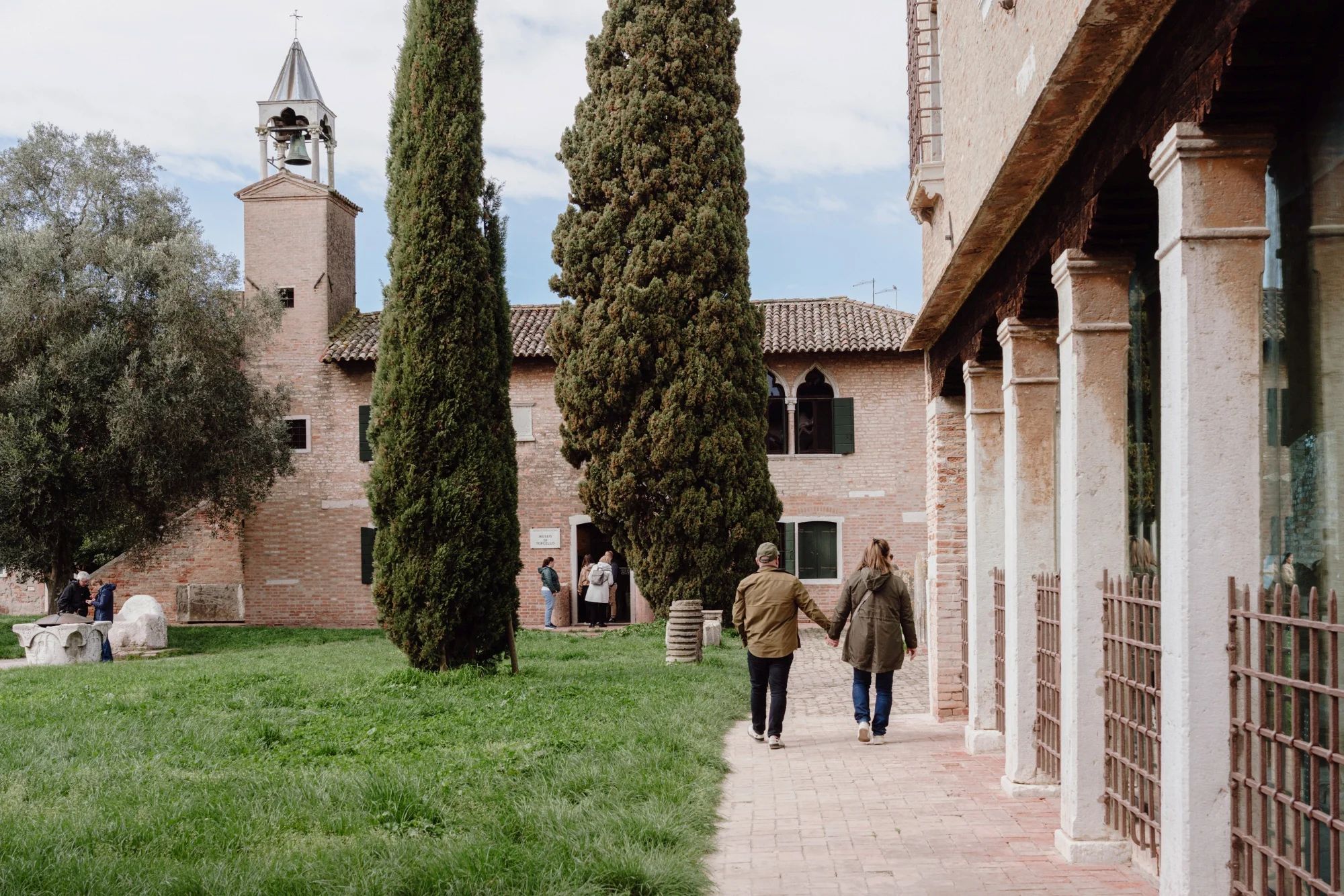
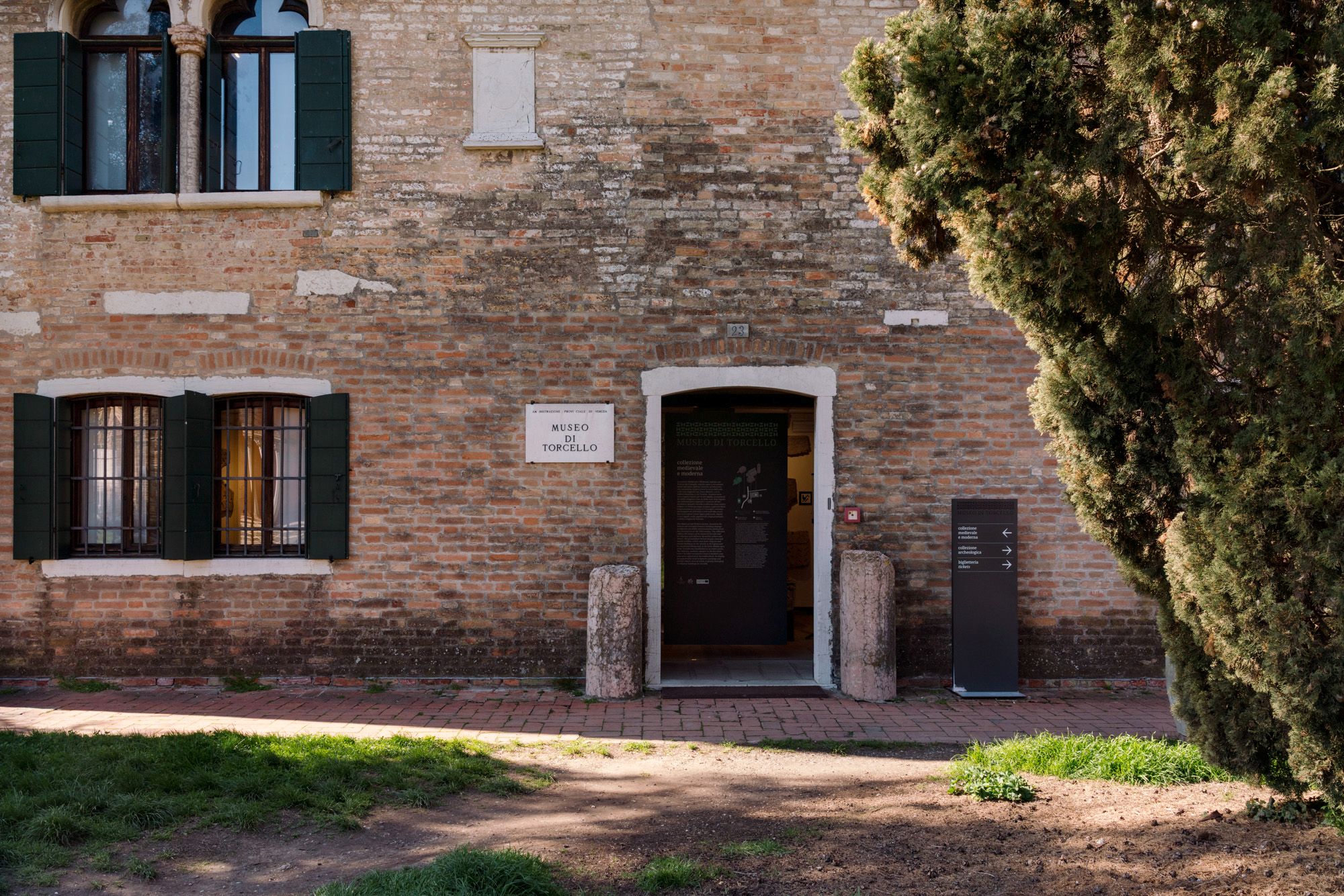
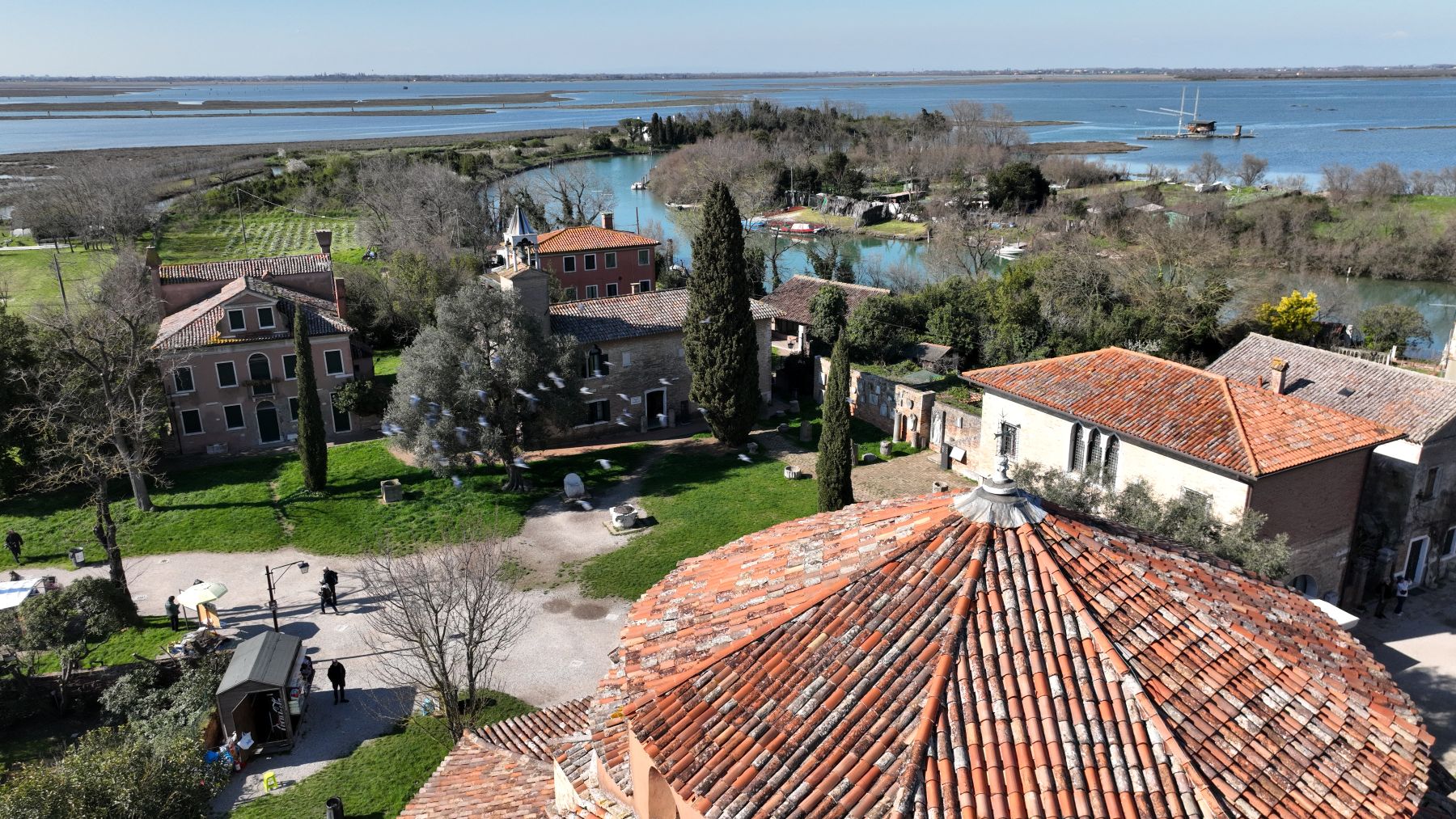
The Torcello Museum visitor itinerary is divided between two venues: the Palazzo dell’Archivio, which houses the archaeological section, and the Palazzo del Consiglio, home to the medieval and modern section.
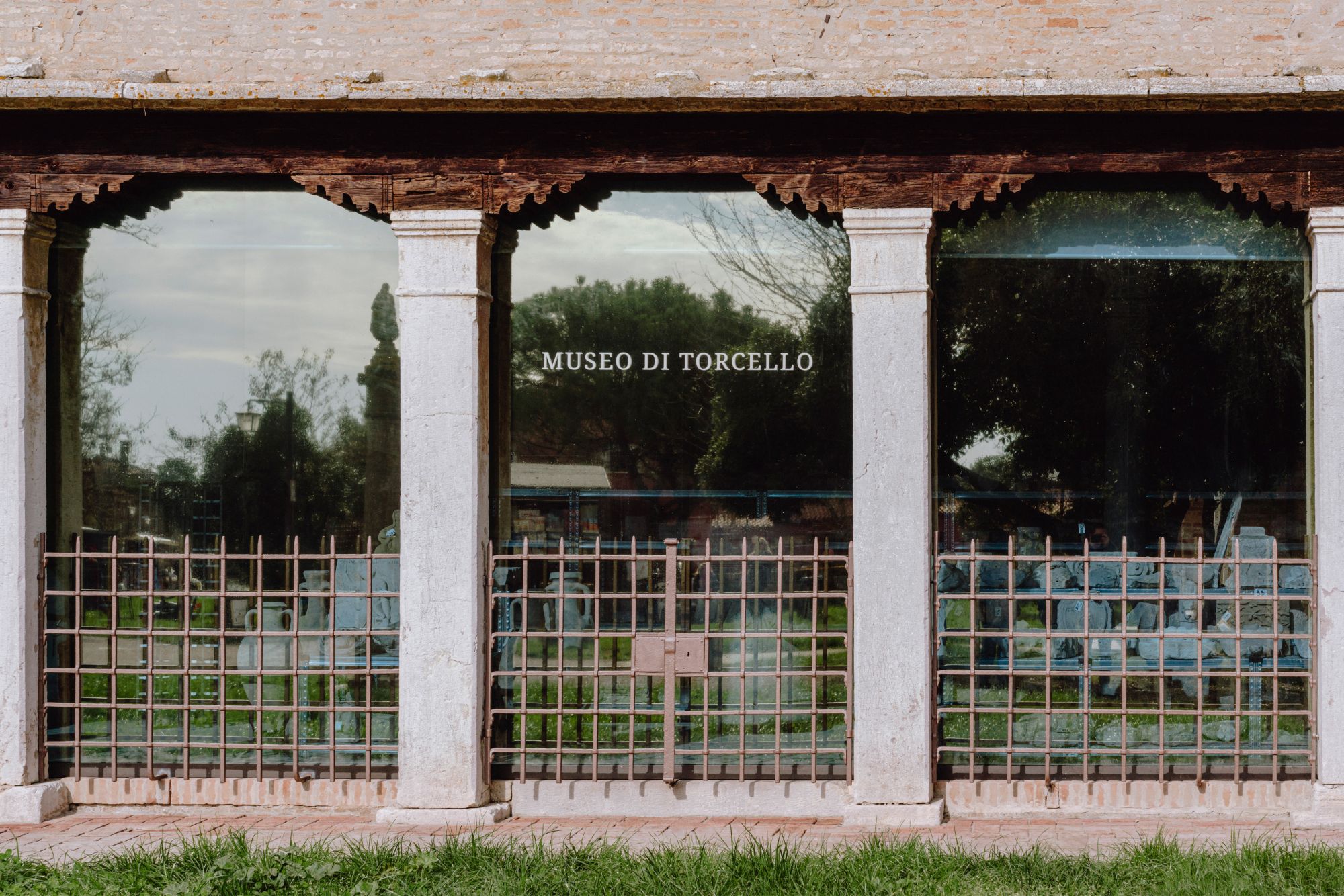
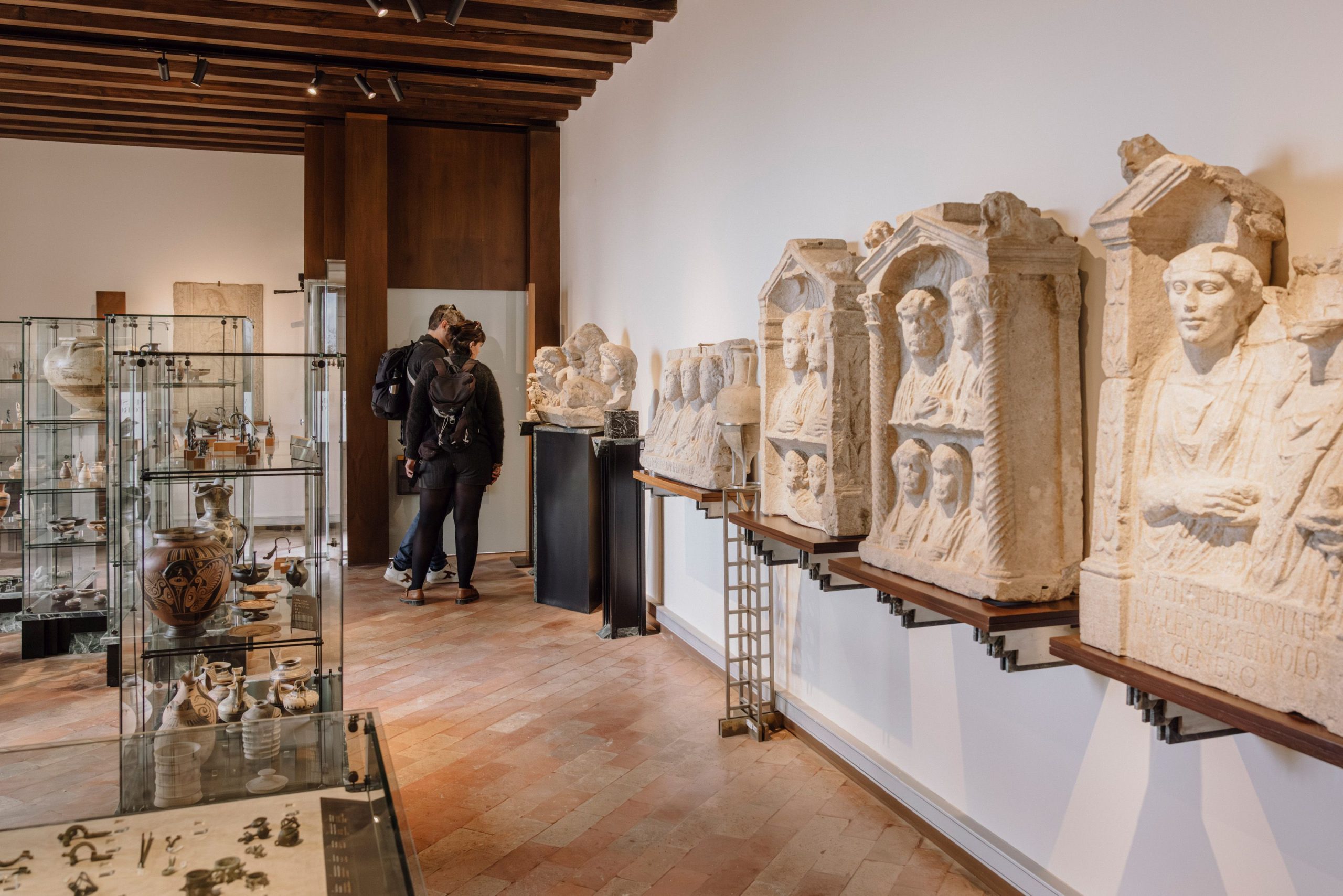
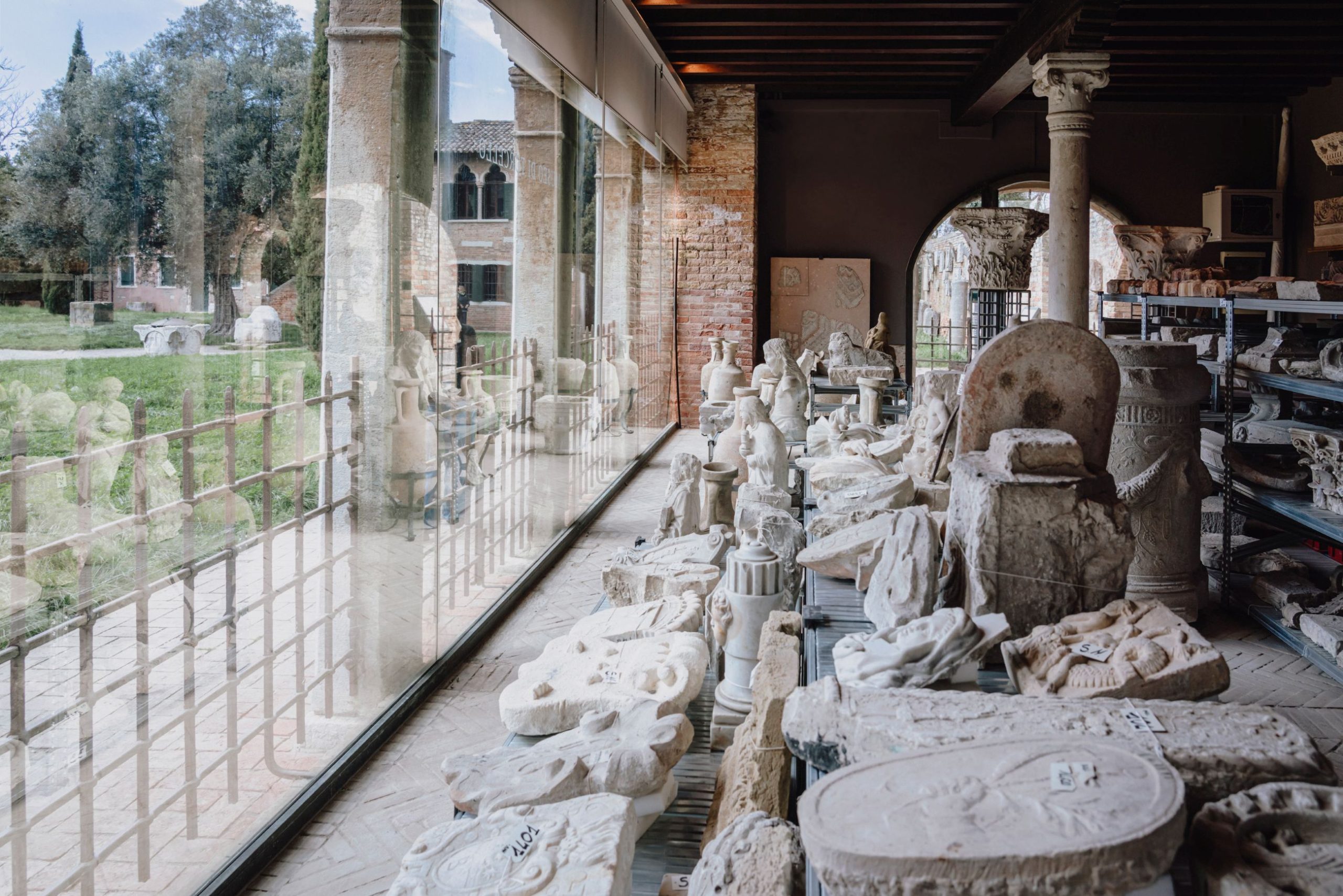
The ground-floor loggia of the Palazzo dell’Archivio, originally reserved for exhibiting a core group of Roman-era funerary monuments, is currently used as the Museum’s storage. Climbing the external staircase leads to the single room occupying the building’s first floor, where the archaeological section is located.
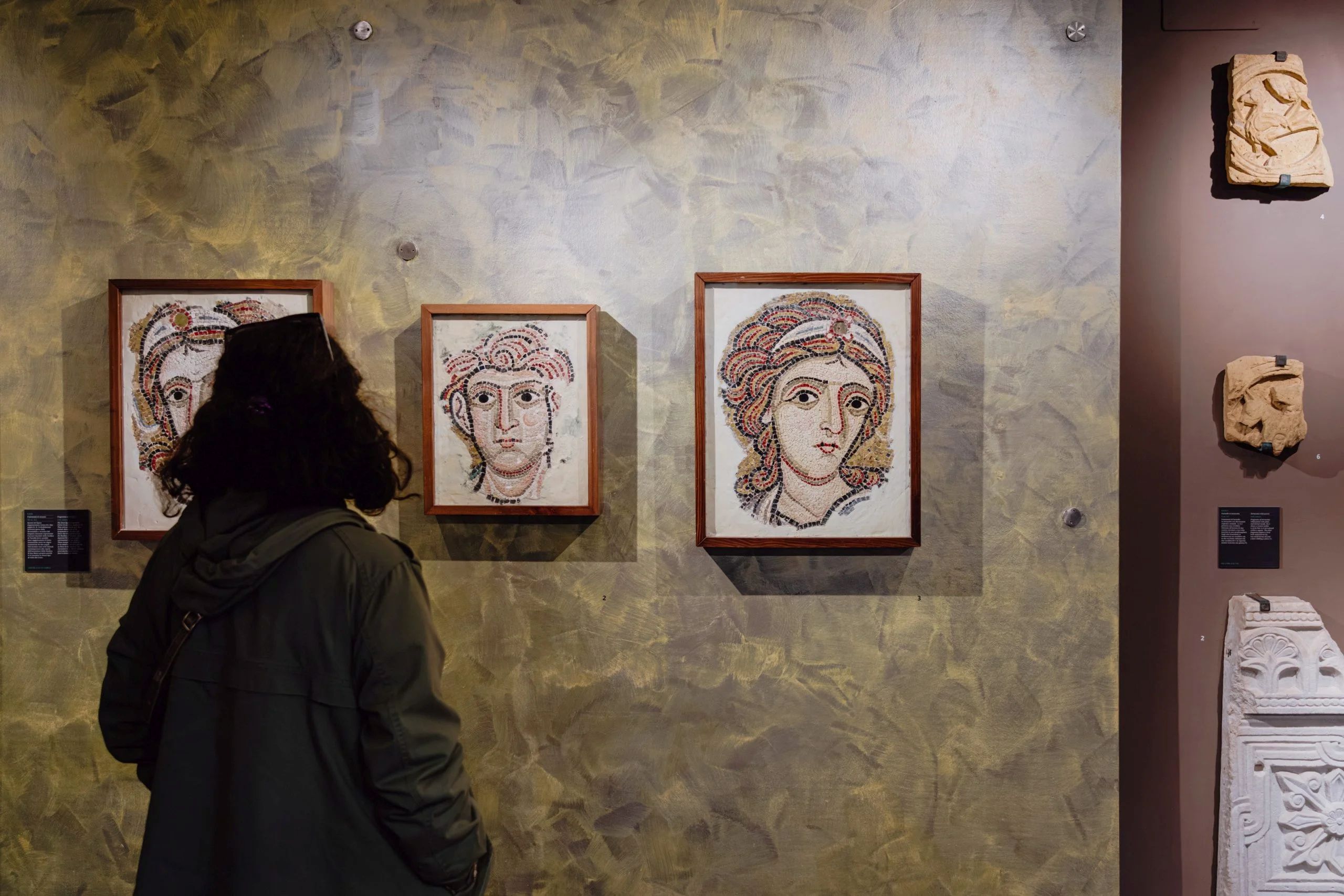
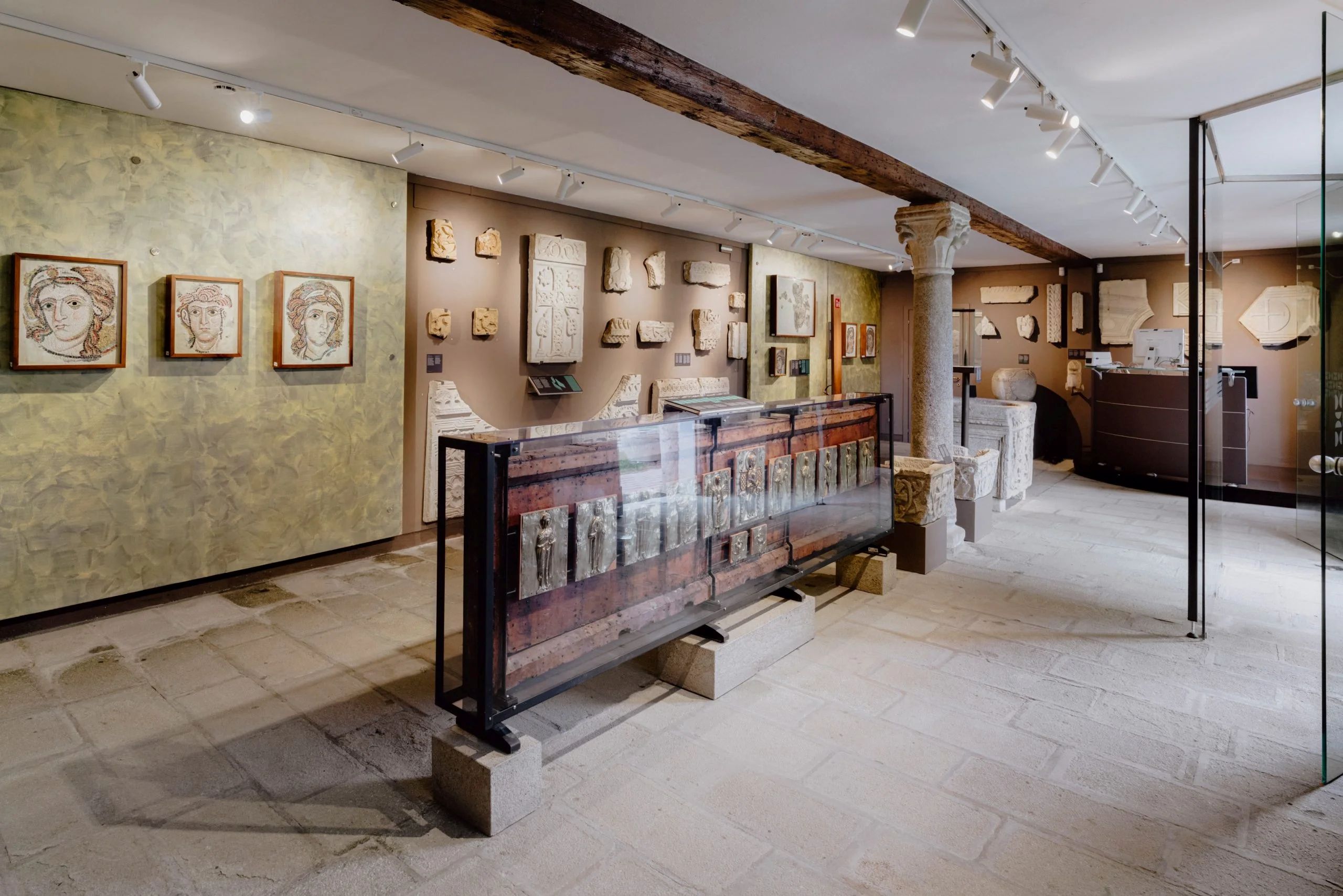
The ground floor of the Palazzo del Consiglio displays stone materials and architectural fragments, mostly from Torcello and dating between the 6th and 10th centuries. The upper floor preserves important historical evidence, paintings, mosaic fragments, and sculptures from destroyed Torcello churches.
The Archaeological Section
The exact origin of the Museum’s archaeological material remains an open question. A large part of the objects comes from the collections of antiquarians and art enthusiasts who donated them to the Museum starting in the late 19th century. However, in line with the Museum’s founding intentions, a significant core of materials arrived following accidental discoveries or excavations carried out on the island itself, on nearby islands, and in the adjacent Altinum territory.
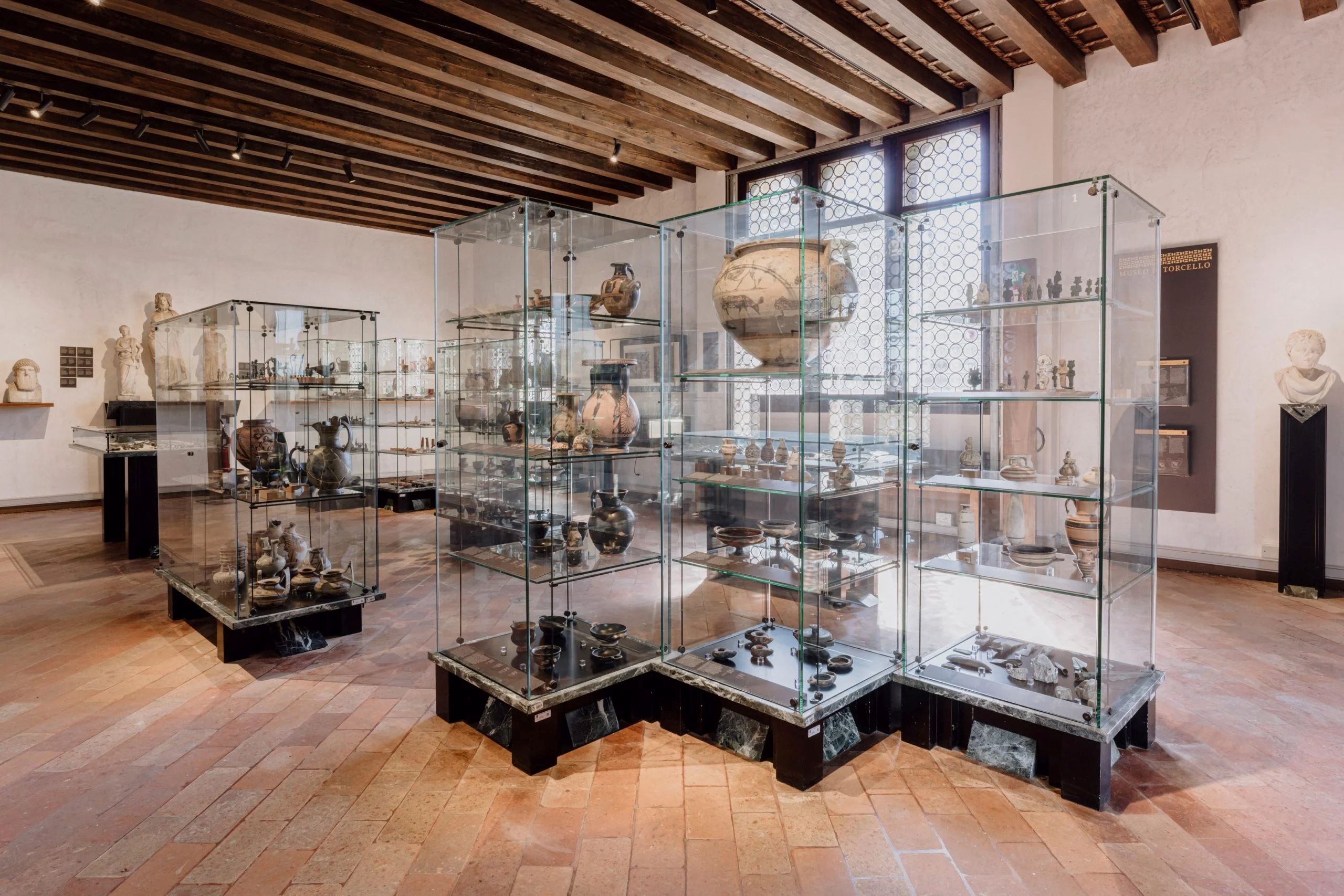
The archaeological section exhibits artifacts representing numerous material classes, dating across a broad chronological span from the Paleolithic to the late Roman era. Ceramics include Cypriot and Mycenaean, Greek, Italiote, Etruscan, and Roman pottery; bronze production features examples from the Etruscan, Venetian, and Roman worlds; sculpture includes Greek and Roman pieces, alongside terracotta and gems. Nevertheless, a core of artifacts from Altinum remains clearly identifiable, notably including numerous small bronzes, funerary steles, and cylindrical altars.
The Medieval and Modern Section
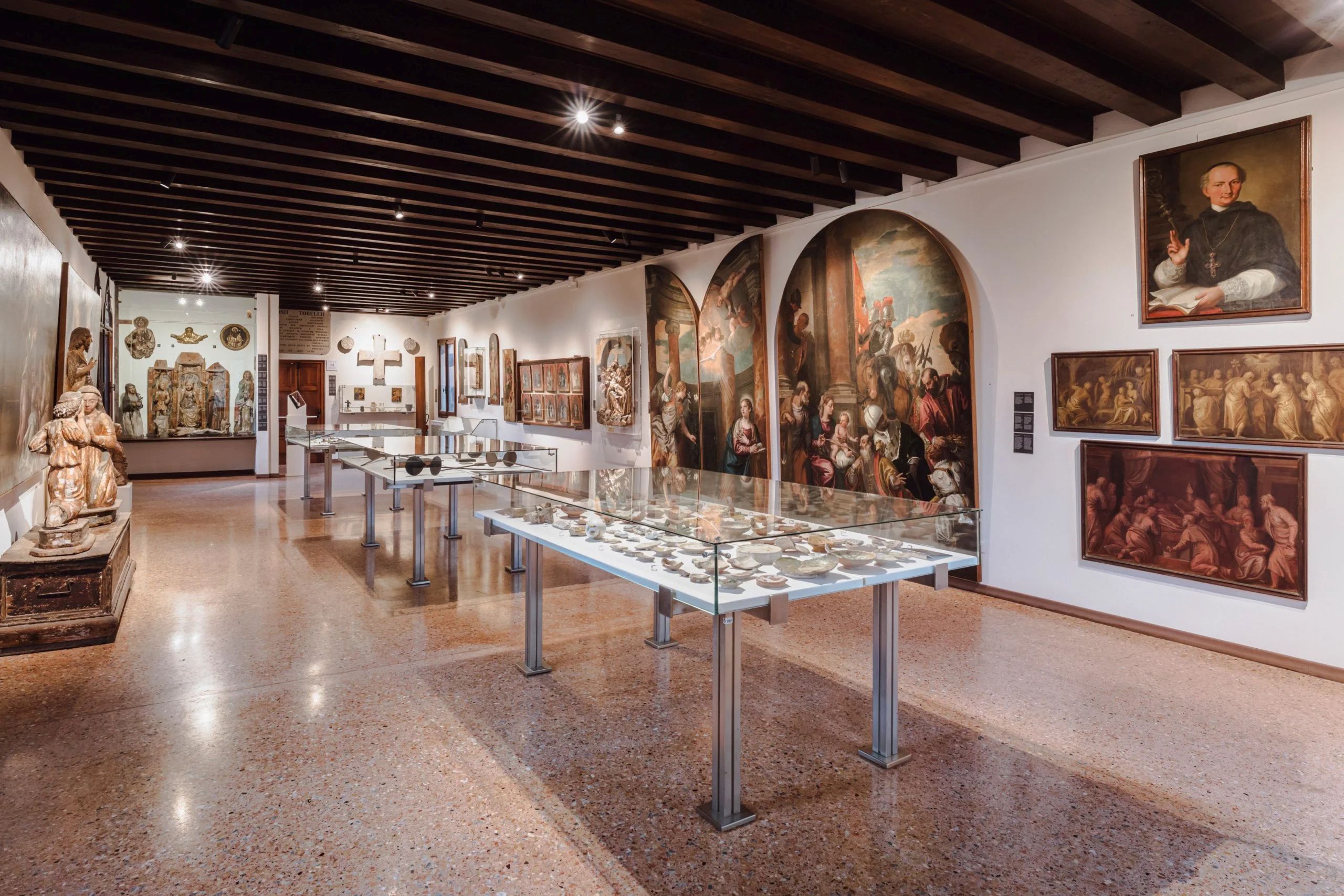
Displayed here are stone materials, architectural fragments, wooden sculptures, and paintings from Torcello and surrounding areas that the Museum collected and preserved, thus fulfilling its primary function.
The ground floor houses early-medieval stone specimens featuring a decorative repertoire of cross motifs, animals (including mythical beasts), and interlacing plant designs. A funerary altar from Altinum, later transformed into a wellhead and reworked with figures of rampant griffins between the 10th and 11th centuries, is also present.
Among the most notable Torcello assets saved from dispersion and collected in the Museum are an ivory pastoral staff, a gilded silver altar frontal, and a mosaic fragment depicting Christ, angels, and prophets.
Paintings from Veronese’s workshop (exhibited on the upper floor), a wooden sculpture of Santa Fosca, and an ovoid stoup all originate from destroyed churches. Finally, a collection of Venetian-made ceramics discovered in Torcello during the Riva dei Borgognoni excavation is particularly noteworthy.
The Museum Today
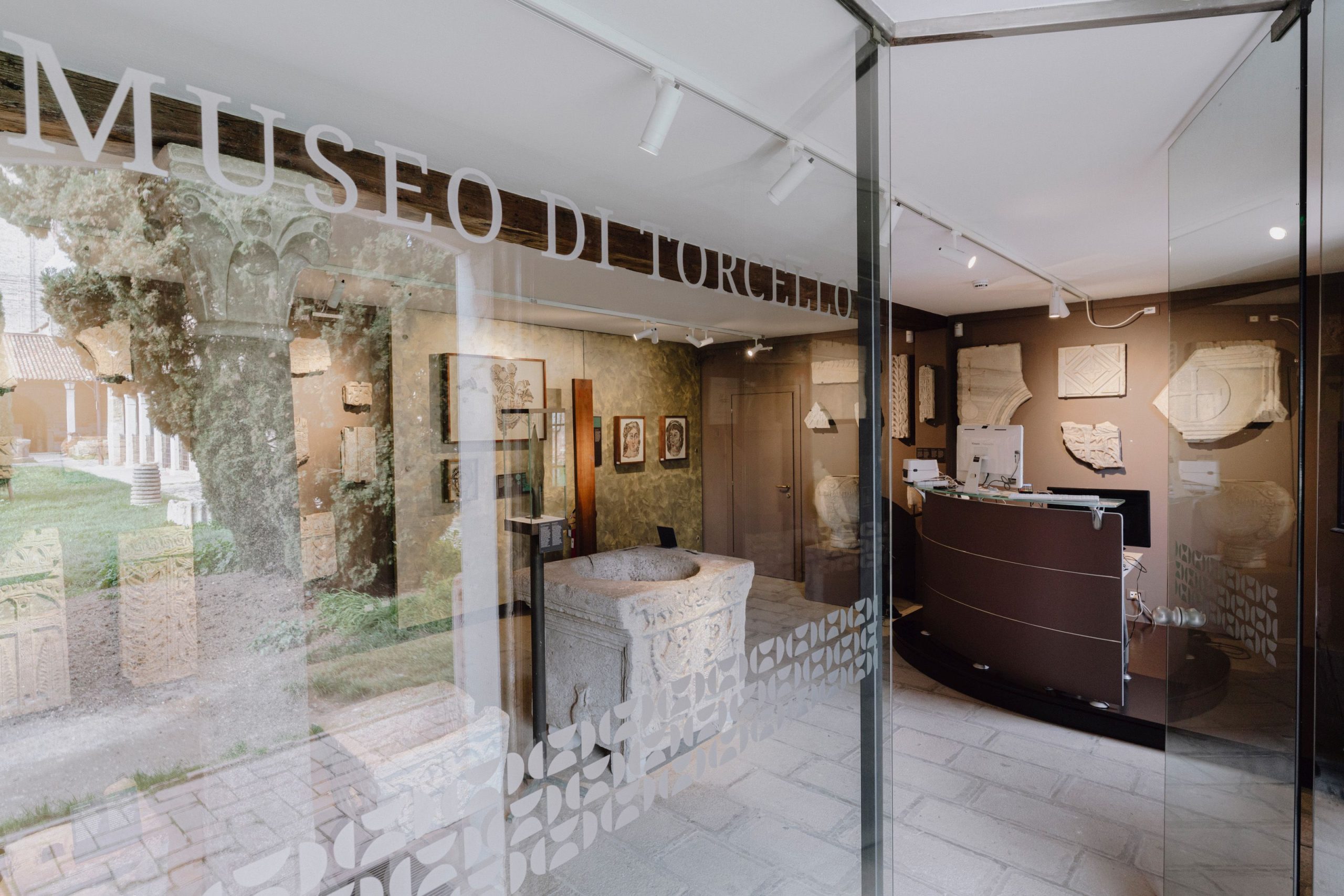
Among the first initiatives undertaken to enhance the exhibition context, MUVE has completed a series of infrastructural works, routine and extraordinary maintenance, and updates to interpretive materials to make the museum even more welcoming, culminating in the new “visible storage” installation beneath the loggia of the Palazzo dell’Archivio.
This heritage must therefore be narrated and enhanced not only for those visiting Venice who wish to discover its origins, but also for Venetians themselves, who will have the opportunity to rediscover an important legacy, significant not only from an artistic perspective but above all from a historical one.